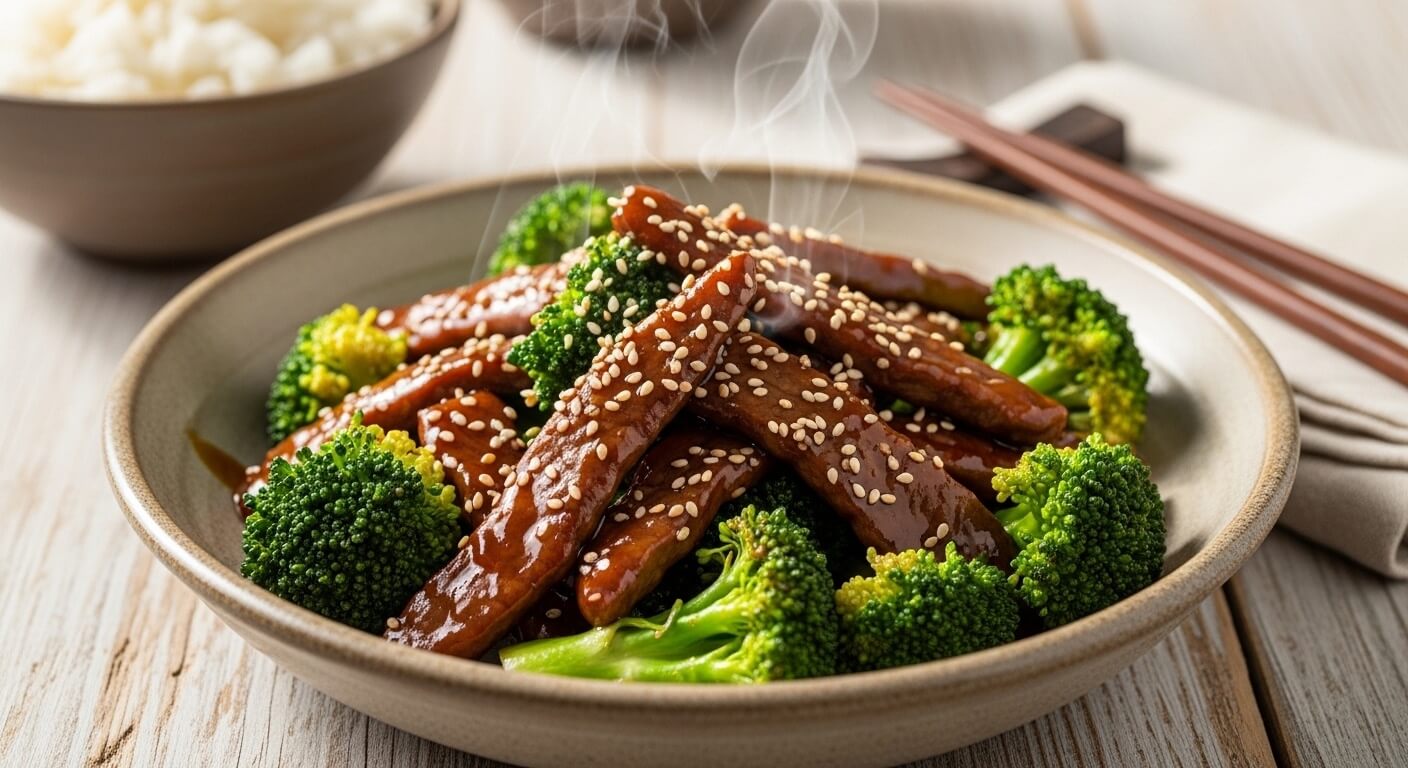
Unlock Tender Beef: The Velveting Secret for Restaurant Stir-Fries
Do you ever wonder how your favorite Chinese restaurant achieves that impossibly tender, silky beef in their stir-fries, like the classic Beef and Broccoli recipe? You try to replicate it at home, but your beef often turns out tough and chewy, a pale imitation of the takeout dream. The good news is, the secret isn't a complex culinary magic trick, but a simple yet transformative technique called "velveting." Master this method, and you'll unlock a world of succulent stir-fries, starting with the beloved beef and broccoli.
Beef and broccoli is a cornerstone of Chinese-American cuisine, cherished for its perfect harmony of protein, vibrant vegetables, and an irresistibly savory-sweet sauce. It’s a dish that evokes comfort and satisfaction, making it an ideal candidate for weeknight dinners. This article will guide you through not just a fantastic beef and broccoli recipe that can be on your table in about 30 minutes, but more importantly, it will demystify the velveting process, ensuring your homemade stir-fries rival your favorite takeout spot.
The Magic Behind Restaurant-Quality Beef: What is Velveting?
At the heart of every truly tender restaurant stir-fry lies the ancient Chinese cooking technique known as velveting. This method is designed to protect and tenderize meat, creating a distinctively smooth, melt-in-your-mouth texture that is virtually impossible to achieve through conventional stir-frying alone. Instead of dry, tough pieces, velveting ensures your beef remains juicy and succulent.
So, what exactly happens during velveting? It typically involves marinating thinly sliced protein (most commonly beef, but also chicken or shrimp) in a blend that often includes:
- Baking Soda: This is the key tenderizing agent. Baking soda is alkaline, and when it interacts with the meat, it slightly raises the pH level of the muscle fibers. This process helps to break down the proteins, making the meat more tender and preventing it from seizing up and becoming tough during high-heat cooking. It also helps the meat retain moisture, keeping it juicy.
- Cornstarch: Working in conjunction with baking soda, cornstarch forms a protective, translucent coating around each piece of beef. This barrier acts like a shield, locking in moisture and protecting the delicate muscle fibers from the direct, intense heat of the wok. The cornstarch also contributes to the signature "silky" texture.
- Other Marinade Components: Often, you'll find other ingredients like soy sauce (for flavor and moisture), Shaoxing wine or dry sherry (for aroma and tenderizing properties), and sometimes an egg white (which adds another layer of protein coating for extra silkiness and moisture retention).
After a brief marination, the beef is typically briefly blanched in hot water or oil, or stir-fried quickly in a very hot wok. This initial cooking sets the velveted coating, ensuring the meat cooks through evenly and stays incredibly tender when added back to the stir-fry with the vegetables and sauce. This technique is a game-changer, moving your beef from merely cooked to truly luxurious.
Crafting the Perfect Beef and Broccoli Recipe: Beyond the Beef
While velveting is undeniably the star for tenderizing the beef, a truly outstanding beef and broccoli recipe requires attention to every component. It's the synergy of tender beef, crisp-tender broccoli, and a perfectly balanced sauce that elevates this dish from good to unforgettable.
The Umami-Rich Sauce: A Symphony of Flavors
The sauce is arguably the second most critical element. It's what coats every morsel, tying the entire dish together with a glossy, irresistible finish. A classic Chinese-American stir-fry sauce delivers a punch of umami, balanced by savory notes and a hint of sweetness. Key ingredients usually include:
- Oyster Sauce: This provides a deep, savory, and slightly sweet umami base. It's indispensable for that authentic takeout flavor.
- Soy Sauce: Adds saltiness and a fundamental layer of savory depth.
- Shaoxing Wine (or Dry Sherry): Contributes complex aromatic notes and helps to cut through the richness.
- Sugar: Balances the saltiness and umami, adding a touch of sweetness that makes the flavors pop.
- Aromatics: Fresh ginger and garlic are sautéed to release their fragrant oils, infusing the sauce with their characteristic warmth and zest.
- Cornstarch Slurry: A small amount of cornstarch mixed with water is often added at the end to thicken the sauce, allowing it to beautifully cling to the beef and broccoli without being watery.
The beauty of this sauce is how it clings without being overly thick or greasy, making it ideal for serving over fluffy steamed rice.
Crisp-Tender Broccoli: The Essential Counterpoint
No beef and broccoli recipe is complete without its green counterpart. The broccoli isn't just for color; its slight bitterness and crisp-tender texture provide a vital contrast to the rich, tender beef and the savory sauce. To achieve this perfect texture:
- Blanching or Steaming: Broccoli florets are best quickly blanched in boiling water or steamed until they are bright green and slightly tender, but still retain a pleasant crunch. Overcooked, mushy broccoli is a common pitfall to avoid.
- Quick Stir-Fry: After velveting and cooking the beef, the pre-cooked broccoli is tossed into the wok with the beef and sauce for just a minute or two to warm through and absorb the flavors, ensuring it remains vibrant and toothsome.
The combination creates a truly harmonious dish – the tender beef, the fresh crunch of broccoli, and the irresistible, savory sauce dancing together on your palate.
Mastering Your Stir-Fry: Practical Tips for Success
While velveting is the secret weapon, several other elements contribute to a restaurant-quality stir-fry. Paying attention to these details will significantly improve your homemade beef and broccoli recipe.
- Slice Against the Grain: This is crucial for tenderness, even with velveting. Slicing beef thinly against the grain shortens the muscle fibers, making the meat easier to chew. If your steak is difficult to slice, try freezing it uncovered on a plate for 15-20 minutes; it will firm up and be much easier to cut into uniform pieces.
- Don't Overcrowd the Pan: This is a golden rule for stir-frying. If you pile too much beef into the wok or pan at once, the temperature will drop dramatically, causing the meat to steam rather than sear. This results in gray, tough beef rather than beautifully browned, tender pieces. Cook the beef in two or even three batches if necessary, ensuring each piece gets proper contact with the hot surface for optimal browning and texture.
- High Heat is Key: Stir-frying is meant to be fast and furious. Ensure your wok or large skillet is screaming hot before adding oil and then the ingredients. This intense heat is what cooks the food quickly, preserving texture and flavor.
- Mise en Place (Everything in its Place): Stir-fries move incredibly fast. Have all your ingredients prepped, measured, and ready to go before you even turn on the stove. This means sliced beef, chopped aromatics, pre-cut broccoli, and mixed sauce ready in bowls. This preparation makes the cooking process smooth and stress-free, perfect for a 30-minute weeknight meal.
- Choosing the Right Beef Cut: Lean, tender cuts like flank steak, skirt steak, sirloin, or even top round work best for stir-frying. They slice thinly well and benefit immensely from the velveting process.
Enjoying Your Homemade Takeout: Pairings and Versatility
Once you've mastered this beef and broccoli recipe, you'll find it quickly becomes a go-to for its flavor, ease, and quick turnaround. It's a dish that's impressive enough for guests yet simple enough for a busy Tuesday night, fitting perfectly into an easy weeknight dinner rotation.
Perfect Pairings
To truly elevate your homemade Chinese feast, consider your beverage pairing:
- Wine: A crisp, aromatic white wine like a dry Riesling or Gewürztraminer is an excellent choice. Their natural sweetness and floral notes beautifully complement the savory, umami-rich sauce and highlight the ginger and garlic.
- Beer: For beer lovers, a light lager or pilsner offers a refreshing, clean contrast to the richness of the beef and sauce, cleansing the palate with each sip.
- Non-Alcoholic: Green tea or sparkling water with a hint of lemon provides a refreshing and palate-cleansing alternative.
Expanding Your Culinary Horizons
The beauty of velveting extends far beyond just this classic beef and broccoli recipe. Once you're comfortable with the technique, you can apply it to a wide range of proteins and stir-fries:
- Chicken: Use thin slices of chicken breast or thigh for dishes like Kung Pao Chicken, Cashew Chicken, or any chicken stir-fry.
- Shrimp: Velveting shrimp results in incredibly tender, plump crustaceans, perfect for Garlic Shrimp stir-fries or Shrimp with Lobster Sauce.
- Pork: Thinly sliced pork tenderloin also benefits from velveting for various savory stir-fry dishes.
This technique is a foundational skill in Chinese cooking that will significantly broaden your repertoire and confidence in the kitchen.
Say goodbye to tough, chewy stir-fry beef and hello to restaurant-quality tenderness in your own kitchen. By understanding and applying the simple yet powerful technique of velveting, you can transform your homemade beef and broccoli recipe from good to absolutely glorious. This secret, combined with smart cooking practices and a delicious sauce, makes the ultimate takeout experience achievable any night of the week. So grab your wok, embrace the velvet, and prepare to impress your taste buds!
